







Search Results for: Hulling and Polishing

A Complete Analysis of Coffee Processing Methods Worldwide: From Dry and Wet Processing to Grading and Classification
From fruit to export, coffee beans must undergo a series of meticulous processing steps, and these processes directly determine the final quality and price of the coffee. This article systematically reviews the coffee bean processing methods of major producing regions around the world: from the dry method commonly used in Brazil and Ethiopia, to the wet method widely adopted in Kenya, Colombia, and elsewhere, and then to the subsequent stages of hulling, polishing, grading, and sorting. The article introduces in detail the technical key points, equipment principles, and quality control essentials of each step, and analyzes the impact of different processing methods on coffee flavor and commercial value. It is suitable for enthusiasts who wish to gain a deeper understanding of green coffee bean processing knowledge. Front Street Coffee always pays attention to the influence of origin processes on flavor, providing coffee enthusiasts with professional bean selection references. [more…]
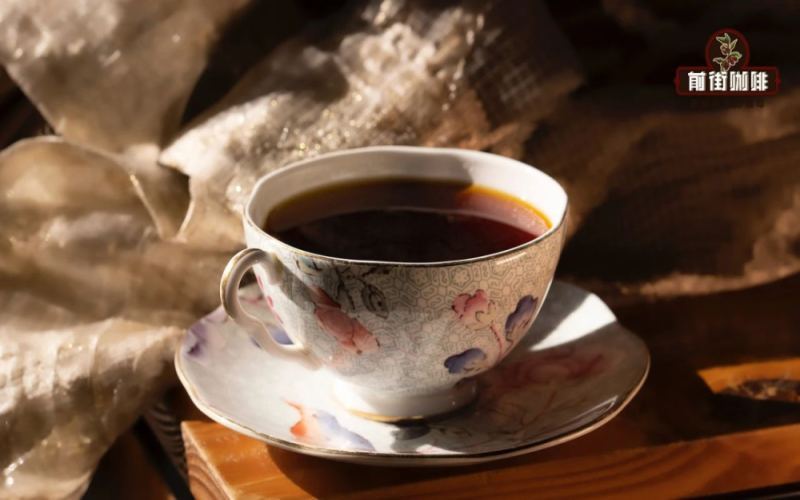
The Pros and Cons, Production Process, and Flavor Analysis of Naturally Processed Coffee Beans
This article is written by the content team of Front Street Coffee (FrontStreet Coffee) and provides a comprehensive discussion of the characteristics of the natural process, the oldest method of coffee processing. The article candidly acknowledges its dependence on sunny weather and the disadvantage of a plain-looking finished product, while gradually breaking down the steps from fruit selection and sun-drying to hulling and storage. Using representative natural-process beans that make up forty percent of the beans on Front Street Coffee's shelves—Natural Yirgacheffe Aricha, Natural Panama Janson Geisha, and Natural Brazil Queen's Manor—along with images and brewing recipes, it carefully presents the flavor profile under three-pour extraction to help readers gain a deeper understanding. [more…]
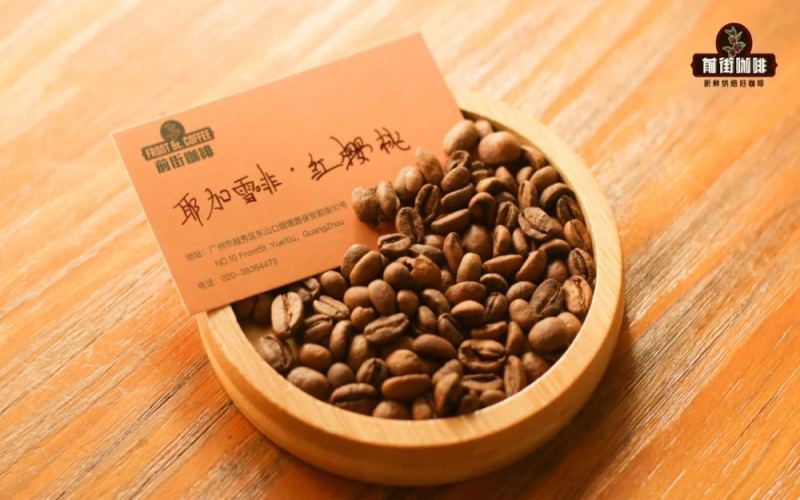
Flavor Characteristics of Natural Process Coffee Beans, Process Advantages and Disadvantages, and Analysis of Two Representative Natural Beans
The processing method of coffee beans largely determines the flavor direction of the final cup, and natural sun-drying, as the oldest green bean processing technique, is still widely adopted by many producing regions around the world today. From the perspective of Front Street Coffee, this article systematically reviews the complete sun-drying process—from fruit picking and screening, natural drying, to depulping and hulling, and storage—and provides an in-depth analysis of the advantages and limitations of this processing method. At the same time, the article will also introduce two representative sun-dried coffee beans: Ethiopian Huakui and Panama Elida Estate Sun-Dried Typica, helping readers gain a more comprehensive understanding of how sun-drying gives coffee a rich fermented character, full sweetness, and abundant layers. [more…]
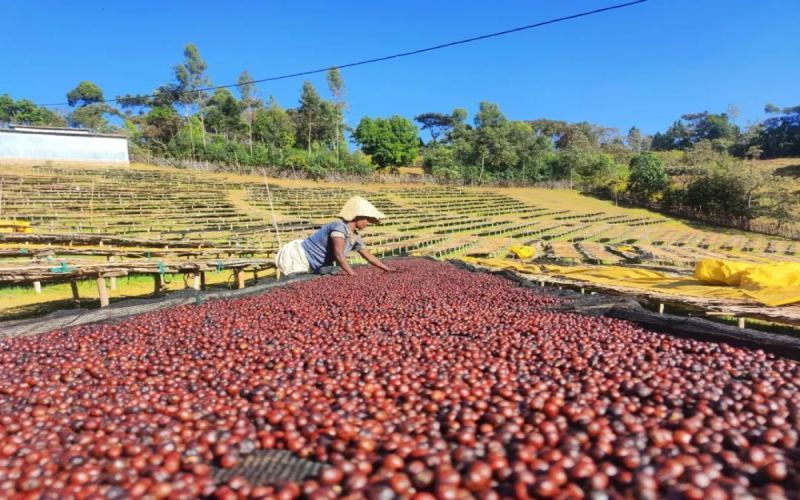
Analysis of the Natural Process Workflow and Flavor Characteristics: A Beginner's Guide to Green Coffee Processing from Traditional to Specialty Natural
The final flavor profile of a cup of coffee is determined not only by variety and origin, but also by the way the green beans are processed. As one of the oldest coffee processing methods, the natural process has re-emerged as a focal point in the specialty coffee world in recent years, thanks to its rich fruity aromas and full-bodied sweetness. This article, from the perspective of Front Street, systematically walks through the complete steps of the natural process, compares traditional natural processing with refined natural processing, explains in detail each stage from picking and sorting, drying, to hulling and storage, and introduces two representative Front Street natural-processed coffee beans — Huakui and the 2013 Typica — to help coffee enthusiasts fully understand the appeal of the natural process. [more…]
How Is Indonesian Mandheling Graded? A Bean Selection Guide from Sumatra Origins to Wet-Hulling Processing
Indonesia is an important coffee-producing country globally, with specialty Arabica mainly distributed in the high-altitude areas of northern Sumatra, Sulawesi, and Java. Mandheling is famous for its low acidity, full body, and unique herbal spice flavors, among which Golden Mandheling requires four rounds of hand sorting and is of a higher grade. From the perspective of Front Street Coffee, this article reviews the four major coffee types of Sumatra, the wet-hulling process of Lintong Mandheling, and Indonesia's G1 to G6 grading system based on the proportion of defective beans, and includes the three-pour brewing parameters for the Kono dripper recommended by Front Street Coffee, helping coffee enthusiasts select and brew high-quality Mandheling. [more…]
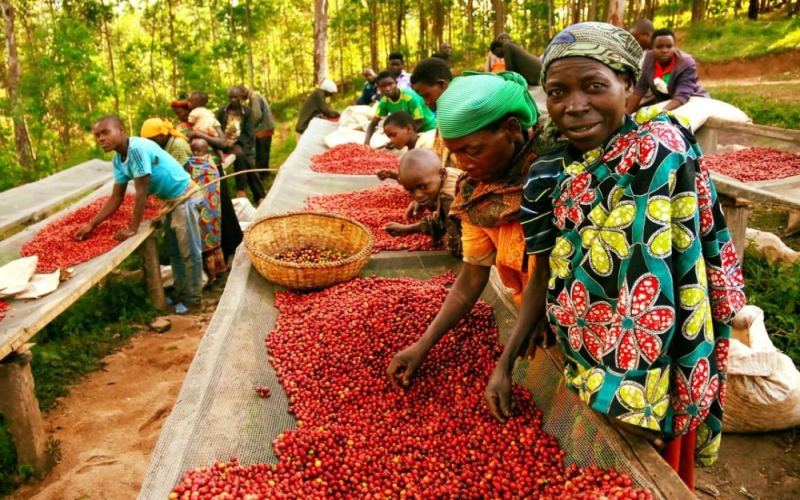
Analyzing the Processing Flow of Yirgacheffe Natural Sun-Dried Coffee Beans: A Comparison of the Pros and Cons of the Natural Method and Its Flavor Performance
The natural process lets coffee cherries dry in the sun with the fruit still intact, and weather conditions directly determine the final quality. Front Street Coffee believes that natural beans can amplify the flavors inherent to the variety, offering high body, intense aroma, and a fermented sweetness. This article provides a complete breakdown of the natural method, from collection, sorting, drying, and depulping to grading and storage, analyzing its advantages of water savings and distinctive flavor as well as its shortcomings of being at the mercy of the weather and difficult quality control. It then focuses on the two major producing regions of Ethiopia Yirgacheffe and Guji Hambela, comparing the actual brewing performance of Front Street Natural Red Cherry and Natural Huakui, and includes parameter suggestions for V60 medium-light roast beans for coffee enthusiasts' reference. [more…]
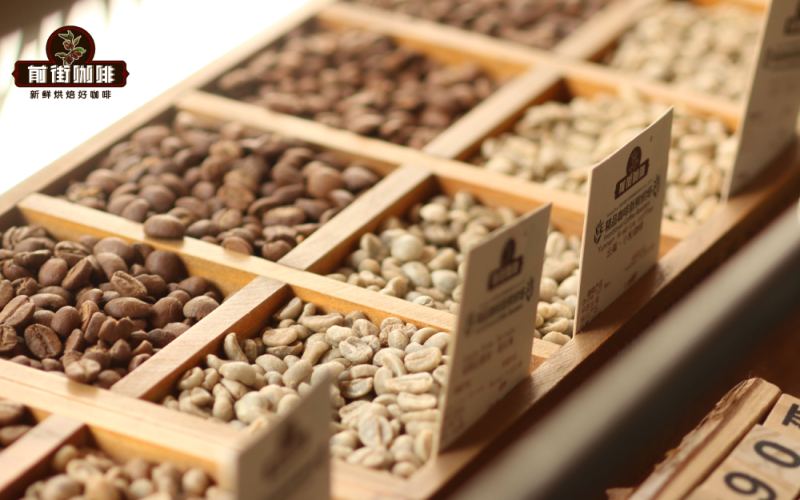
Coffee Processing Methods | Wet-Hulled, Semi-Washed, Honey Process, Pulped Natural — Detailed Steps, Flavor and Mouthfeel Comparison of Coffee Beans
We all know that different processing methods can give coffee a rich and varied flavor profile. For example, Front Street Coffee's bean list alone features dozens of varieties, covering more than ten different processing methods. Today, Front Street will focus specifically on wet-hulled, semi-washed, and pulped natural [more…]
Wet-Hulled, Semi-Washed, Pulped Natural, and Honey Process: A Complete Analysis of the Flavor Differences Among Four Coffee Processing Methods
Following our previous discussion of the two major processing methods—natural and washed—this time we turn our attention to several post-harvest processes that fall between them: wet-hulled, semi-washed, pulped natural, and honey processing. How is each of these methods carried out? And what impact do they have on coffee flavor? We'll still start with the structure of the coffee cherry: from the outside in, the fruit consists of the outer skin, pulp, mucilage, parchment layer, silver skin, and the coffee bean seed itself. The core goal of all processing methods is simply to remove the outer layers and extract the seed. However, differences in the method, timing, and degree of removal lead to vastly different results in the cup. This article will break down these processing methods one by one—their procedural details, flavor tendencies, and the subtle connections between them—to help coffee enthusiasts more clearly understand the key role processing plays in shaping flavor. [more…]
How to Choose Fresh and Pure Mandheling Coffee? An Analysis of the Flavor Differences Between Golden Mandheling and Lintong Mandheling
Sumatra Mandheling coffee from Indonesia occupies a unique position in the global specialty coffee landscape. From its introduction during the Dutch colonial period in the 17th century to the present day, the coffee nurtured by this volcanic soil is renowned for its low acidity, full body, and herbal spice notes. Yet with the bewildering array of Mandheling products on the market, how can one discern freshness, purity, and value for money? And what are the substantive differences between Lintong Mandheling and Golden Mandheling? This article will systematically break down the flavor origins of Mandheling, Indonesia's green bean grading system, and, combined with Front Street Coffee's brewing methods, help you find the Mandheling that suits your taste. [more…]
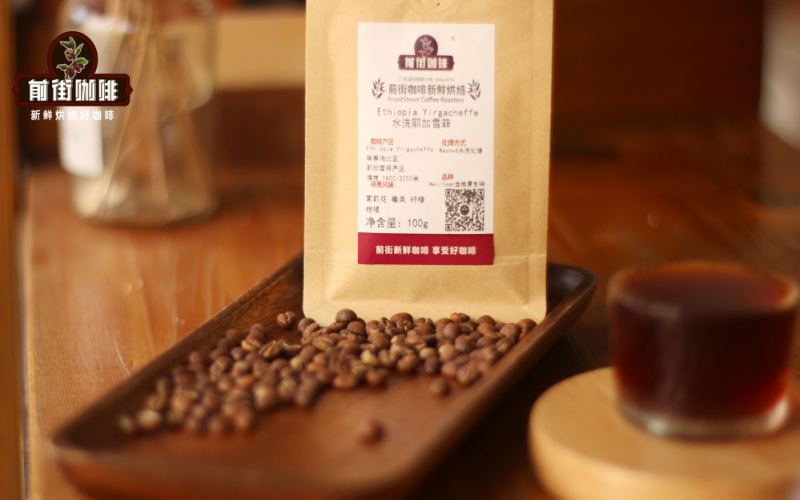
Yirgacheffe Flavor Analysis and Beginner Bean Guide: Washed vs. Natural Processing Differences and Front Street Recommendations
Yirgacheffe is Ethiopia's most representative specialty coffee region, known for its bright jasmine aroma and citric acidity. This article systematically reviews Yirgacheffe's terroir, the characteristics of its native heirloom varieties, the process differences between the two major processing methods of washed and natural, and the role of the Red Cherry Project in driving quality improvement. It also combines specific information on three everyday beans—Front Street Coffee's washed Yirgacheffe, the Gedeb Cooperative, and the natural Red Cherry—to provide a one-stop introductory reference from flavor identification to V60 brewing parameters, helping coffee enthusiasts build a complete cognitive framework for Yirgacheffe. [more…]
A Detailed Explanation of Three Classic Coffee Processing Methods: Processing Differences and Flavor Comparison of Washed, Natural, and Honey Processing
Washed, natural, and honey processing are the three most fundamental green bean processing methods in the specialty coffee world, each shaping the final flavor profile of the coffee in its own way. In this article, Front Street Coffee will use three Geisha coffee beans from the Boquete producing region of Panama as examples to break down the specific operational procedures, flavor characteristics, and the appearance differences between green and roasted beans for each of these three processing methods. We will also trace the evolution of honey processing in Brazil and Central and South America, and include the roasting records for three beans—Front Street's Emerald Estate Green Label Geisha, Ethiopian Natural Flower Queen, and Strawberry Candy Geisha Blend—for coffee enthusiasts to reference and compare. [more…]
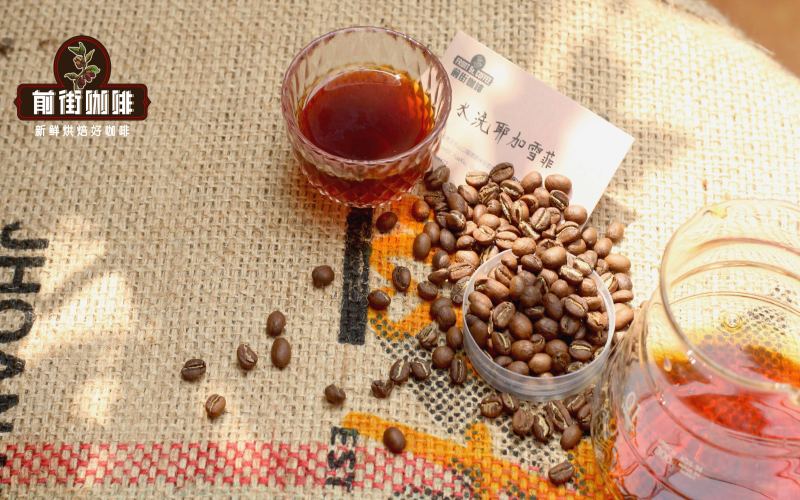
Yirgacheffe Coffee Flavor Analysis and a Full Explanation of the Washed Processing Method
Yirgacheffe is one of Ethiopia's most recognizable coffee regions, known for its bright acidity and white floral aromas. This article begins with the region's historical development, tracing its path to independence from the Sidamo sub-region and how the introduction of the washed processing method led to a dramatic leap in quality. It also takes a deeper look at the independent background and traditional processing methods of the Gotiti Cooperative, and breaks down each step of the washed process in detail, including depulping, fermentation, channel washing, raised-bed drying, and the multiple rounds of sorting before export. At the end, it includes the complete parameters and flavor description of Front Street Coffee's washed Gotiti Yirgacheffe coffee beans, making it suitable reading for coffee lovers who want to gain a deeper understanding of Yirgacheffe's processing techniques and the source of its flavor. [more…]
Exploring Jamaican Blue Mountain Coffee: A Full Analysis from Origin Terroir to Front Street Coffee's Bean List Pricing
Jamaican Blue Mountain Coffee, as one of the world's recognized top specialty coffees, is highly sought after for its unique terroir conditions and strict processing standards. This article will comprehensively analyze what constitutes genuine Jamaican Blue Mountain Coffee from the perspectives of varietal characteristics, growing environment, processing procedures, and packaging and transportation. At the same time, we will also introduce the Front Street Jamaican Blue Mountain Coffee on the Front Street bean list, including its flavor performance, pricing information, as well as purchasing and tasting options for Blue Mountain No. 1 coffee in Front Street stores, helping coffee enthusiasts gain a clearer understanding of this scarce yet high-quality "Typica" specialty. [more…]
What Are the Differences Between Washed, Natural, and Honey Processing? A Detailed Explanation of the Flavor Characteristics and Operating Procedures of Three Coffee Bean Processing Methods
The flavor profile of coffee beans is largely determined by the processing method used after harvest. Washed, natural, and honey processing, as the three traditional and common coffee processing methods, each shape distinctly different expressions in the cup: washed coffees have bright acidity and high cleanliness; natural coffees have prominent sweetness and complex layers; honey processing strikes a balance between acidity and sweetness while amplifying aroma. Using three Geisha coffee beans from the Boquete producing region of Panama as samples, Front Street Coffee examines the core differences among these three processing methods one by one, from operational steps to the appearance of green and roasted beans, and also includes the brewing flavor and roasting records of each bean to help coffee enthusiasts build a clearer framework for understanding flavor. [more…]
Exploring Ethiopia SNNPR Natural Yirgacheffe G1: Flavor Analysis of the Heirloom Variety from Gedeb Gotiti Cooperative, Alimbukato Smallholder
The Woka/Gotiti micro-regions in southeastern Yirgacheffe have always dazzled at the cupping table thanks to their high altitude and meticulous processing. This article focuses on the Alimbukato smallholder lot from the Gotiti cooperative, detailing both the natural and washed traditional methods, and presents a complete flavor description of Front Street Coffee's Gotiti. The natural lot shows berry, sweet orange, and creamy aromas, with clear sweetness and a black tea note in the finish; the washed lot is Grade G1, and under a medium-light roast it highlights jasmine and lemon notes, with citrus, blueberry, honey, and green tea interwoven on the palate, juicy and bright with balanced acidity and sweetness. The article ends with V60 three-pour brewing parameters and a flavor analysis, giving you a full experience of the rich charm of classic Gotiti. [more…]
Sumatra Mandheling vs Java Coffee Comparison: A Complete Analysis of the Flavor Characteristics of Indonesia's Three Major Producing Regions
Indonesia stretches across the equator and is made up of more than 17,000 islands, where volcanic soil and a tropical rainforest climate provide exceptional conditions for coffee cultivation. Sumatra's Mandheling is known for its rich, full-bodied flavors of caramel, herbs, and dark wood, while Java coffee shows a more refined aroma and balanced acidity, and Sulawesi Toraja combines bright fruity acidity with caramel sweetness. Front Street Coffee believes that Indonesian coffee is richly layered and well worth exploring in depth for specialty coffee lovers. This article systematically reviews the cultivation backgrounds, variety characteristics, processing methods, and flavor differences of Indonesia's three core producing regions, and explains in detail the wet-hulled process, green bean grading system, and specialty beans such as Aged Mandheling, Tiger Mandheling, and West Java honey process, taking you through a comprehensive understanding of the unique charm of Indonesian coffee. [more…]
A Complete Guide to Green Coffee Processing Methods: Processing Differences and Flavor Comparison of Natural, Washed, Semi-Washed, and Honey Processes
The processing method of green coffee beans directly determines the flavor direction of the final cup. From fruit to green bean, natural, washed, semi-washed, and honey processing each follow different craft paths, with their own trade-offs in cost, water consumption, and flavor performance. The natural method uses the natural drying of the fruit pulp to give the beans rich fruity aromas and a full-bodied sweetness, while the washed method removes pectin through fermentation, bringing a clean and bright acidity. Semi-washed seeks a balance between the two, and honey processing retains part of the pectin layer and dries directly, enhancing sweetness and body. Understanding the principles and pros and cons of each processing method is an important foundation for coffee lovers to understand flavor differences. This article will also recommend a number of representative processing-method coffee beans from Front Street Coffee for daily purchasing reference. [more…]
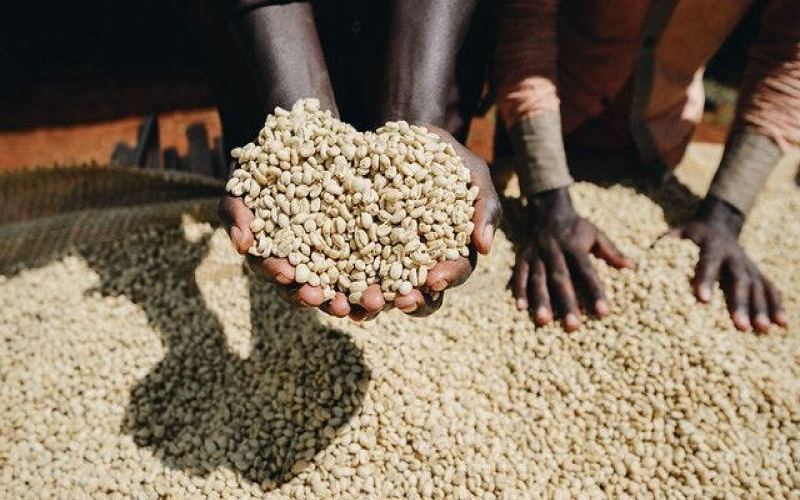
Analysis of the Differences Between Ethiopia's Sidamo and Yirgacheffe Coffee Regions and a Comparative Flavor Analysis of Front Street Coffee's Natural Process Beans
Ethiopia, as the birthplace of coffee, is home to many renowned producing regions, among which Sidamo and Yirgacheffe are the most prominent. Yirgacheffe was originally part of the Sidamo region but was separated out due to its distinctive citrus-lemon acidity. From the perspective of Front Street Coffee, this article systematically examines the geographical environment, processing method evolution, and flavor characteristics of Sidamo and Yirgacheffe across three dimensions: region, variety, and processing method. It also provides a detailed comparison of the roasting curves and pour-over parameters of two coffee beans—Front Street Sun-Dried Yirgacheffe Aricha and Front Street Sun-Dried Huakui—to help coffee enthusiasts gain a deeper understanding of the differences and charm of these two regions. [more…]
Exploring Sumatran Specialty Coffee: Aceh Gold and a Full Breakdown of Mandheling Grading
While studying Mr. Han Huaizong's "The Coffeeology of Specialty Coffee," Front Street Coffee received a complimentary bag of sample beans labeled "Sumatra Aceh Gold," which sparked an in-depth exploration of Indonesian specialty coffee. Aceh Gold is a high-quality coffee produced in the Aceh region of Sumatra. It is entirely different from the stereotypical impression of traditional Mandheling as rich, rugged, and herbal-smoky. Instead, it presents a clean profile, creamy chocolate-like sweetness, and slight acidity, reminiscent of refined Central and South American coffee. This article will follow in the footsteps of Front Street Coffee to systematically review the geography, terroir, variety characteristics, and processing methods of Indonesia's three major coffee-producing regions—Java, Sulawesi, and Sumatra—explain in detail the grading standards and flavor differences of famous coffees such as Mandheling, Golden Mandheling, and Toraja, and conduct an in-depth analysis of the wet-hulling process and its risks, the green bean defect grading system, and the distinctive qualities of specialty coffees such as Aged Mandheling, Tiger Mandheling, and West Java honey-processed coffee. [more…]
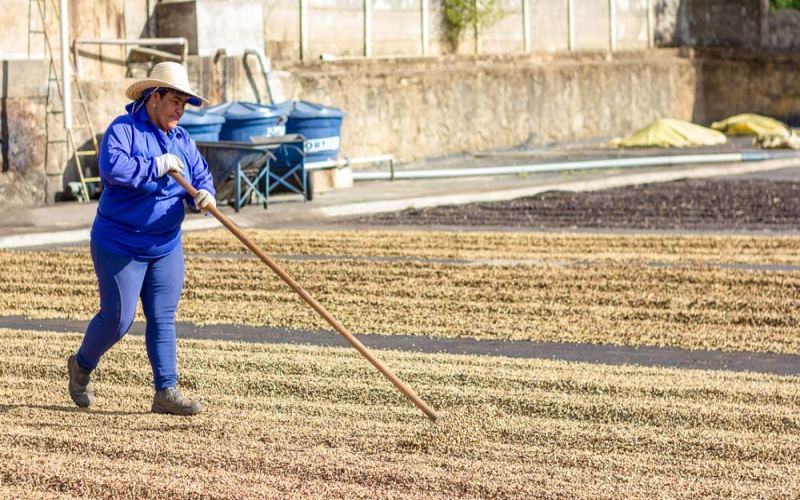
A Detailed Guide to Honey-Processed Coffee Beans: Costa Rican Semi-Washed Craft and Pour-Over Recommendations
Honey processing is a coffee processing method that falls between natural and washed processing, named for the honey-like stickiness of the beans as they retain their mucilage. Starting from semi-dry processing, this article walks through the complete honey processing workflow and its classifications, including black honey, red honey, yellow honey, white honey, and the innovative raisin honey process. It also introduces Front Street Brazil Cerrado, Front Street Blackberry, Front Street Strawberry Candy · Geisha Blend, Front Street Mozart, and other coffees that use related processing methods, helping pour-over enthusiasts understand the flavor differences brought by different honey processes and how to choose beans. [more…]